How a Luxury Digital Marketing Agency Helps Premium Brands Grow
16, Jul 2026
39
Premium brands cannot approach social media in the same way as mass-market businesses. Their customers are not only comparing prices or product features. They are evaluating presentation, credibility, service, craftsmanship and the overall experience associated with the brand.
A visually attractive feed may create a positive first impression, but appearance alone rarely produces consistent business growth. Premium brands need a clear strategy that connects brand positioning, content, paid advertising and customer experience. This is where working with a luxury digital marketing ax gency can bring structure and commercial direction to social media efforts.
Why Social Media Matters for Premium Brands
Social media is often the first place a potential customer experiences a brand. Before visiting a store, booking a consultation or purchasing a high-value product, people may explore the brand’s Instagram posts, videos, reviews, comments and website.
Every visible element influences perception. Inconsistent graphics, generic captions, weak photography or delayed responses can make an otherwise strong business appear less credible. On the other hand, a well-managed social presence can communicate quality before a customer speaks with the company.
For premium businesses, social media can support several goals:
- Building brand recognition among the right audience
- Communicating craftsmanship, quality and expertise
- Creating trust through consistent presentation
- Generating qualified enquiries and online sales
- Retargeting people who have already shown interest
- Strengthening relationships with existing customers
The goal is not simply to post more often. It is to create a connected journey from discovery and consideration to conversion.
Start With Clear Brand Positioning
A premium social media strategy must begin with a clear answer to one question: why should the right customer choose this brand?
Many businesses use broad words such as premium, exclusive, high quality or sophisticated. These words have limited value unless the content proves them. Strong positioning comes from specific qualities customers can recognise, such as the sourcing process, design philosophy, personal service, limited production, technical expertise or attention given to every order.
Before planning content, define:
- The audience the brand wants to attract
- The problem or desire the brand addresses
- The qualities that make the offer different
- The emotions customers should associate with the brand
- The reasons customers should trust the business
- The action people should take after viewing the content
A luxury digital marketing agency should turn these answers into practical messaging guidelines rather than relying on generic promotional language.
Build Content Around the Customer Journey
Not every post should attempt to generate an immediate sale. Customers usually need multiple interactions before they feel comfortable purchasing from a premium brand. Content should therefore support different stages of the decision-making journey.
Awareness Content
Awareness content introduces the brand to new people. Short videos, educational posts, founder stories, trend-related content and visually strong campaign assets can help attract attention.
At this stage, the content should make the brand easy to understand. A new viewer should quickly recognise what the company offers, who it serves and why it is relevant.
Consideration Content
Consideration content gives potential customers reasons to trust the brand. This may include product demonstrations, customer stories, behind-the-scenes processes, detailed service explanations, case studies and answers to common questions.
This content is especially important for high-value products and services because customers often need reassurance before taking the next step.
Conversion Content
Conversion content encourages the customer to act. It can promote a consultation, product launch, appointment, limited release, catalogue download or direct purchase.
The call to action should be clear, but it should still match the brand’s tone and visual standards. A balanced content plan supports awareness, consideration and conversion instead of filling the feed with repeated sales messages.
Maintain a Consistent Visual System
Consistency does not mean every post must look identical. It means the content should feel as though it comes from the same brand.
A useful visual system may include:
- A defined colour palette
- Consistent typography
- Photography and video guidelines
- Standard treatments for graphics
- Clear rules for logo placement
- A recognisable editing style
- Templates for recurring content formats
These elements make content production more efficient while protecting brand recognition. They also help different team members create work that feels connected.
However, templates should not make the feed repetitive. The strongest content systems provide structure while leaving enough flexibility for product campaigns, seasonal moments and fresh creative ideas.
Use Storytelling to Communicate Value
Premium customers often want to understand the thought, skill and story behind what they are purchasing. Content should therefore show more than the finished product.
Brands can create stronger emotional connections by sharing:
- The inspiration behind a design
- How materials are selected
- The process involved in creating a product
- The experience of using the service
- The people behind the business
- The standards followed during production
- Real customer experiences
This approach allows the brand to demonstrate its value rather than repeatedly claiming to be premium. It also gives customers meaningful reasons to remember and discuss the business.
Combine Organic Content With Paid Social Media
Organic content helps build identity, community and credibility. Paid advertising helps the brand reach carefully selected audiences at a larger scale. Premium businesses usually need both.
Paid social media can be used to:
- Introduce the brand to relevant new audiences
- Promote high-performing content
- Retarget website visitors and engaged users
- Generate leads for consultations or appointments
- Support product launches and seasonal campaigns
- Re-engage previous customers
A capable luxury digital marketing agency will not treat paid advertising as a separate activity. The creative direction, audience targeting, landing page and offer should all support the same positioning.
Campaign performance should also be evaluated beyond surface-level engagement. Reach and likes may be useful indicators, but businesses should also monitor qualified leads, conversion rate, customer acquisition cost, return on ad spend and revenue quality.
Choose the Right Social Media Partner
The agency or consultant managing a premium brand becomes closely involved in how the business is presented to the public. The selection should therefore be based on more than a polished portfolio.
Brands should evaluate strategic thinking, communication, creative standards, paid media knowledge, reporting and experience with similar customer journeys. It is also important to understand who will manage the account and how ideas will be planned, reviewed and approved.
This detailed guide on how to choose the right social media marketing agency for your brand explains the main factors, questions and warning signs businesses should consider before making a decision.
Before hiring a luxury digital marketing agency, ask for clarity on the following:
- How will the agency learn about the brand and its customers?
- Who will create the strategy and manage daily communication?
- How will content ideas be reviewed and approved?
- Which business metrics will be included in reports?
- How will organic content and paid campaigns work together?
- How will the team protect brand consistency?
- What happens when campaign performance falls below expectations?
Clear answers can reveal whether the agency has a reliable process or is simply offering a standard monthly posting package.
Connect Social Media With the Website Experience
Even the strongest social media campaign can lose potential customers if the website does not continue the same experience.
When users move from a social media advertisement to a website, they should find consistent messaging, visuals and offers. The landing page must load quickly, work properly on mobile devices and make the next action easy to understand.
Premium brands should review:
- Mobile loading speed
- Product and service descriptions
- Image quality
- Navigation
- Enquiry forms
- Checkout experience
- Trust signals
- Contact information
- Calls to action
Social media may create interest, but the website often determines whether that interest becomes a lead or sale.
Measure Business Impact, Not Just Activity
Posting frequency is not a complete measure of success. A brand may publish several times a week without attracting meaningful enquiries or sales.
Performance should be reviewed according to the campaign objective. Useful metrics may include:
- Profile visits from the target audience
- Website traffic from social platforms
- Saves, shares and meaningful comments
- Qualified enquiries
- Cost per lead or acquisition
- Conversion rate
- Average order value
- Returning customer revenue
- Return on ad spend
Reports should explain what changed, why it changed and what the team will do next. Numbers without interpretation do not help business owners make better decisions.
A strategic marketing partner should use reporting to improve content themes, audience targeting, budget allocation and conversion journeys over time.
Avoid Common Social Media Mistakes
Premium brands often weaken their positioning through avoidable decisions. Common mistakes include copying competitors, following every trend, using inconsistent visuals, posting without a clear objective and focusing only on follower count.
Another mistake is separating social media from the rest of the customer experience. A strong campaign may attract attention, but customers can still leave when the website is slow, the enquiry process is confusing or the sales response does not match the quality promised in the content.
The brand experience should remain consistent from the first social media impression to the final purchase and post-sale communication.
Create a Long-Term Growth System
Strong social media performance is rarely the result of one viral post. It is created through consistent testing, learning and improvement.
A long-term system should include:
- Monthly content planning
- Regular creative testing
- Audience and competitor research
- Paid campaign optimisation
- Landing-page improvements
- Clear reporting
- Quarterly strategy reviews
The right agency will help the brand build this system while adapting to changing customer behaviour, platform formats and business priorities.
Frequently Asked Questions
Why do premium brands need a specialised social media strategy?
Premium brands must communicate value, trust and experience rather than competing mainly through discounts. A specialised strategy ensures that the visuals, messaging, advertising and customer journey support the brand’s positioning.
How often should a premium brand post on social media?
There is no universal posting frequency. The right schedule depends on the platform, available content, customer behaviour and campaign objectives. Publishing fewer high-quality posts can be more effective than posting frequently without a clear purpose.
Should premium brands use paid social media advertising?
Paid advertising can help premium brands reach relevant audiences, retarget interested users and generate measurable leads or sales. However, the advertisements must maintain the same creative and messaging standards as the organic content.
What should a brand review before hiring an agency?
The brand should examine the agency’s strategy, relevant experience, creative process, paid advertising capabilities, communication structure, reporting methods and understanding of the customer journey.
How long does social media marketing take to produce results?
The timeline depends on the brand’s existing presence, objectives, budget, offer and market competition. Paid campaigns may generate data and enquiries relatively quickly, while brand recognition and organic authority generally require consistent long-term work.
Conclusion
Premium brands need more than attractive content. They need a social media strategy that protects brand perception while supporting measurable growth.
Clear positioning, customer-focused storytelling, consistent creative direction, paid media and useful reporting should work together. When these elements are connected, social media becomes more than a publishing channel. It becomes a reliable part of the brand’s customer acquisition and relationship-building system.
Choosing the right partner is equally important. A strong agency should understand both presentation and performance, communicate transparently and make decisions based on the brand’s long-term goals.
share Share now

 All Services
  Service Experts
  Jobs
Jobs  Explore Travel
  Events
  Blogs
Blogs 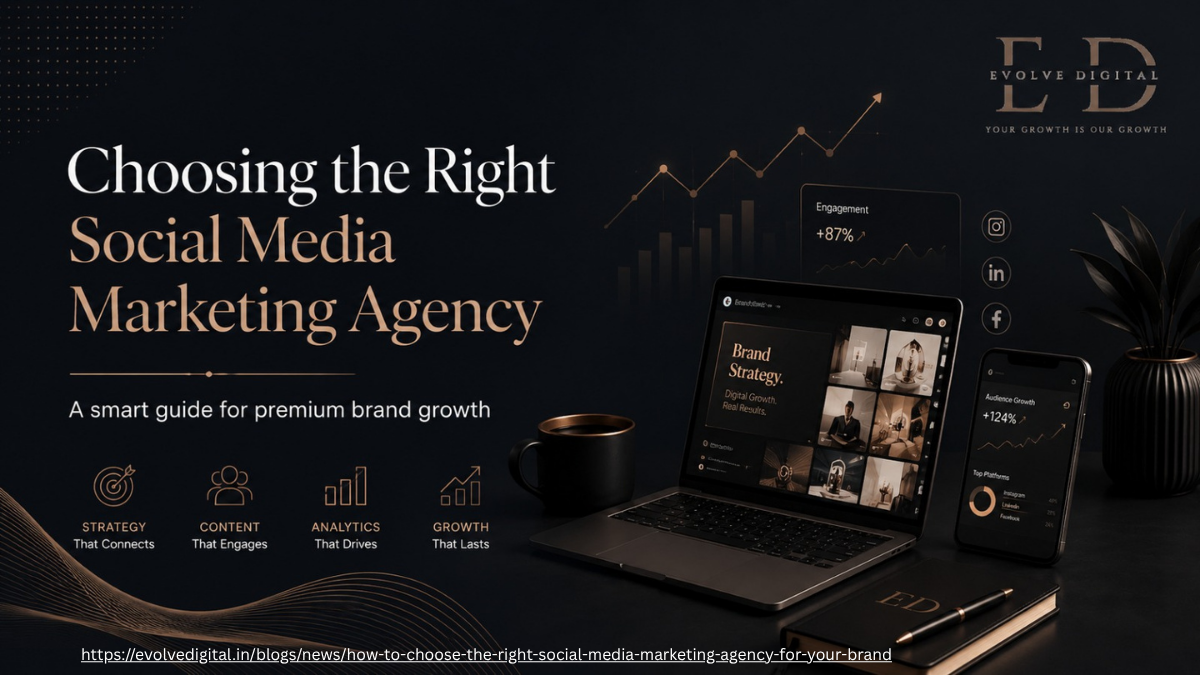






-(1)-(1)-(1).png)



















-(1).jpg)










.jpeg)
.jpg)
.png)









.jpg)



.png)

.png)






.jpg)


















.jpg)




.jpg)



.jpg)

.jpg)


-(1)-(1).jpg)
.jpg)
.jpg)






 News & Magazines
  Products
  Coupon & deals
  Support