RCCB Breaker and Circuit Breakers: A Complete Guide to Electrical Safety
24, Oct 2026
2
RCCB Breaker and Circuit Breakers
Electrical safety is important in homes, offices, factories, and commercial buildings. Electrical systems need proper protection to reduce the risk of electric shocks, equipment damage, and electrical fires. Choosing the right protective devices helps keep people and electrical installations safe.
An RCCB breaker is an important electrical safety device that detects current leakage and disconnects the power supply when it identifies a dangerous imbalance. Similarly, circuit breakers protect electrical systems against specific electrical faults, depending on their type and design.
Understanding how these devices work can help you select suitable protection for your electrical installation.
What Is an RCCB Breaker?
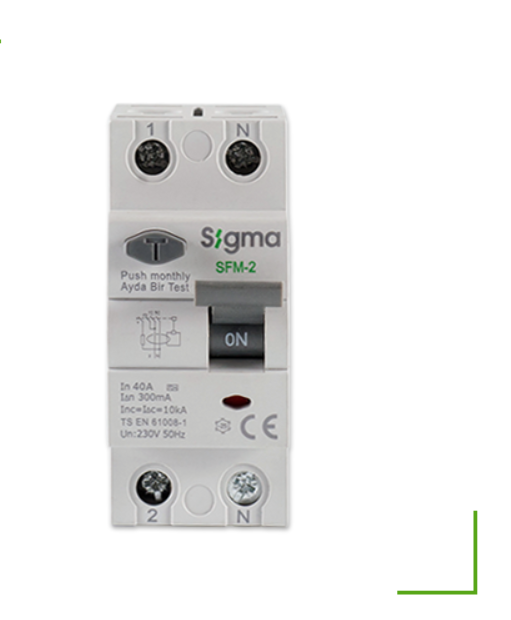
A Residual Current Circuit Breaker (RCCB) is an electrical protection device designed to detect leakage current. It compares the current flowing through the live and neutral conductors. When the current returning through the neutral conductor does not match the current flowing through the live conductor, the RCCB detects the difference and trips the circuit.
This action helps reduce the risk of electric shock caused by certain electrical faults.
RCCBs are commonly used in residential, commercial, and industrial electrical installations. They are particularly useful in areas where electrical equipment may come into contact with moisture or where additional protection against electric shock is required.
However, an RCCB does not normally provide protection against overloads or short circuits. It should be used alongside suitable overcurrent protection.
How Does an RCCB Work?
An RCCB continuously monitors the balance between the current flowing through the live and neutral conductors.
Under normal conditions, the current entering the circuit and returning from it remains balanced. If some current leaks to earth, the balance changes. When the difference reaches the device's specified operating threshold, the RCCB disconnects the electrical supply.
The main operating steps include:
-
Current monitoring: The device checks the current flowing through the circuit.
-
Leakage detection: It identifies an imbalance that may indicate current leakage.
-
Automatic tripping: The device disconnects the supply when the detected imbalance meets its trip requirements.
-
Improved safety: Disconnecting the circuit helps reduce the risk associated with certain electrical faults.
Regular inspection and testing are important to ensure the device operates correctly.
What Are Circuit Breakers?
Circuit breakers are protective electrical devices that automatically interrupt the flow of current when certain fault conditions occur. They help protect electrical wiring, equipment, and connected systems from damage.
Different circuit breakers provide different types of protection. For example, miniature circuit breakers (MCBs) commonly protect against overloads and short circuits, while moulded case circuit breakers (MCCBs) are often used in higher-current commercial and industrial applications.
Selecting the correct breaker depends on the electrical load, installation requirements, fault levels, and applicable safety standards.
Types of Circuit Breakers
Several types of circuit breakers are used in modern electrical installations. Each type has a specific purpose.
1. Miniature Circuit Breaker (MCB)
An MCB is commonly installed in residential buildings, offices, and small commercial facilities. It protects circuits against overloads and short circuits.
MCBs are available with different current ratings and tripping characteristics. The correct selection depends on the connected load, cable capacity, and expected fault conditions.
2. Moulded Case Circuit Breaker (MCCB)
An MCCB is designed for applications that require higher current ratings and greater breaking capacity than many standard MCBs.
These devices are commonly used in commercial buildings, industrial facilities, distribution boards, and larger electrical installations. Depending on the model, an MCCB may offer adjustable protection settings.
3. Residual Current Circuit Breaker (RCCB)
An RCCB detects residual current caused by an imbalance between the live and neutral conductors. It provides additional protection against electric shock and certain earth leakage faults.
Because an RCCB generally does not protect against overloads or short circuits, it must be coordinated with suitable overcurrent protection.
4. Residual Current Circuit Breaker with Overcurrent Protection (RCBO)
An RCBO combines residual current protection with overload and short-circuit protection in one device.
It can be useful where individual circuits require both types of protection. The appropriate rating and characteristics depend on the installation and connected equipment.
5. Air Circuit Breaker (ACB)
An ACB is commonly used in low-voltage power distribution systems with high current requirements. It may be installed in industrial facilities, large commercial buildings, and main distribution panels.
ACBs are selected according to the system's operating conditions, rated current, and fault interruption requirements.
RCCB Breaker vs. Other Circuit Breakers
Although RCCBs and other circuit breakers are used to improve electrical safety, their protection functions are different.
FeatureRCCBMCBMCCBMain purposeDetects residual currentProtects against overloads and short circuitsProvides overcurrent protection for higher-current applicationsElectric shock protectionProvides additional protection against certain leakage faultsNot designed for residual current protectionNot inherently designed for residual current protectionTypical applicationsHomes, offices, and commercial installationsResidential and small commercial circuitsCommercial and industrial distribution systemsOverload protectionGenerally not providedProvidedProvidedShort-circuit protectionGenerally not providedProvidedProvided
The appropriate combination depends on the electrical installation. Protective devices should be selected and installed according to relevant electrical standards.
Benefits of Installing an RCCB
An RCCB can provide several important safety benefits when correctly selected and installed.
Protection Against Certain Electric Shock Risks
An RCCB can disconnect a circuit when it detects a qualifying residual current. This helps reduce the risk of injury from certain electrical leakage faults, although it cannot prevent every type of electric shock.
Detection of Earth Leakage
The device can detect current flowing through unintended paths to earth. Early disconnection may help reduce the consequences of some electrical faults.
Improved Electrical Safety
RCCBs provide an additional layer of protection in electrical installations when used with appropriate overcurrent devices, earthing, and other required safety measures.
Suitable for Different Environments
Depending on the installation requirements, RCCBs can be used in homes, offices, shops, and industrial facilities. Special consideration may be needed in areas with moisture or equipment that produces residual currents during normal operation.
How to Choose the Right Circuit Breaker
Choosing the correct protective device requires more than checking its current rating. The following factors should be considered before purchasing electrical protection equipment.
1. Current Rating: Select a rating appropriate for the circuit, wiring capacity, and expected electrical load.
2. Voltage Rating: Ensure that the device is suitable for the system voltage and installation type.
3. Breaking Capacity: The device must be capable of safely interrupting the prospective short-circuit current at its installation point.
4. Protection Requirements: Determine whether the circuit needs overload protection, short-circuit protection, residual current protection, or a combination of these functions.
5. Number of Poles: Choose the appropriate pole configuration for the electrical system.
6. Applicable Standards: Check that the device meets the relevant electrical standards and installation requirements.
7. Professional Installation: A qualified electrician should assess the circuit and ensure the protective devices are correctly installed and coordinated.
Common Applications of RCCBs and Circuit Breakers
RCCBs and other circuit breakers are used in many types of electrical systems.
-
Residential buildings: Protecting electrical circuits and providing additional protection against certain earth leakage faults.
-
Commercial offices: Supporting the safe distribution of electrical power to lighting, sockets, and equipment.
-
Industrial facilities: Protecting electrical distribution systems and machinery through appropriately selected devices.
-
Retail stores: Helping safeguard electrical installations that supply lighting, appliances, and commercial equipment.
-
Public buildings: Supporting electrical safety in facilities with different types of electrical loads.
The exact protection arrangement should be based on the building's electrical design and local requirements.
Maintenance and Testing of Electrical Protection Devices
Regular maintenance helps ensure that electrical protective devices remain suitable for their intended purpose.
Inspect electrical panels for visible damage, overheating, unusual smells, or loose components. Any inspection involving exposed electrical parts should be performed by a qualified professional.
RCCBs commonly include a test button that allows the device's test mechanism to be checked according to the manufacturer's instructions. Follow the recommended testing schedule and never ignore a device that fails to trip during a required test.
If a circuit breaker trips repeatedly, do not keep resetting it without identifying the cause. Repeated tripping may indicate an overload, short circuit, current leakage, or another electrical problem that needs professional attention.
Conclusion
An RCCB breaker and other circuit breakers perform important but different roles in electrical safety. An RCCB detects residual current and helps protect against certain electric shock risks, while MCBs and MCCBs provide protection against overloads and short circuits.
Understanding these differences makes it easier to choose suitable electrical protection for residential, commercial, and industrial applications. Always select devices according to the installation's requirements, use products that meet applicable standards, and arrange professional installation to help maintain a safe and reliable electrical system.
share Share now

 All Services
 Service Experts
 Jobs
 Explore Travel
 Events
 Blogs




























































































 News & Magazines
 Products
 Coupon & deals
 Support