Ice Baths for Athletes: The Chilling Secret to Faster Recovery
17, Jul 2026
28
Every athlete knows that success isn't built during workouts alone—it's also shaped by how well the body recovers afterward. Whether you're a professional competitor, a weekend runner, or a dedicated gym enthusiast, recovery plays a vital role in improving performance and preventing injuries. Among the many recovery techniques available today, ice baths have become one of the most talked-about methods. But are they really worth the cold shock?
Why Athletes Turn to Ice Baths
An ice bath, or cold water immersion, involves sitting in cold water—usually between 10°C and 15°C—for around 10 to 15 minutes after intense physical activity. While the experience may be uncomfortable, many athletes believe the recovery benefits outweigh the temporary discomfort.
The cold temperature causes blood vessels to narrow, helping reduce swelling and muscle inflammation. Once the body warms up again, circulation improves, delivering oxygen and nutrients to tired muscles. This process may help athletes feel refreshed and ready for their next training session.
The Recovery Advantage
One of the biggest reasons athletes use ice baths is to reduce muscle soreness. After a challenging workout or competition, muscles often become stiff and tender due to microscopic damage caused by exercise. Cold water immersion can help ease this soreness, making it easier to return to training with less discomfort.
Ice baths are especially popular among endurance athletes, including marathon runners, cyclists, football players, and swimmers, who often train on consecutive days. Faster recovery allows them to maintain consistency, which is essential for long-term performance improvements.
More Than Physical Recovery
The benefits of ice baths extend beyond the muscles. Regular exposure to cold water can help athletes build mental resilience. Staying calm while immersed in icy water requires controlled breathing and focus, skills that can be valuable during high-pressure competitions.
Many athletes also report feeling energized and mentally refreshed after an ice bath. While individual experiences vary, the combination of physical recovery and improved mental toughness makes cold therapy appealing to many sports professionals.
When Ice Baths Make the Most Sense
Ice baths are most effective after demanding training sessions, tournaments, or endurance events where reducing fatigue is the main goal. They can also be useful during periods of intense competition when athletes have limited recovery time between events.
However, they are not always necessary after every workout. For athletes focused on building muscle size and strength, frequent ice baths immediately after resistance training may reduce some of the body's natural muscle-building responses. Using cold therapy strategically rather than routinely often provides the best balance between recovery and adaptation.
Tips for a Safe Ice Bath
If you're considering adding ice baths to your recovery routine, keep these simple guidelines in mind:
- Keep water temperature between 10°C and 15°C.
- Limit sessions to 10–15 minutes.
- Enter the water slowly instead of jumping in.
- Focus on steady breathing to stay relaxed.
- Avoid ice baths if you have circulation or heart-related medical conditions without consulting a healthcare professional.
Final Thoughts
Ice baths may not be the most comfortable part of an athlete's routine, but they can be an effective recovery tool when used wisely. By helping reduce muscle soreness, control inflammation, and support mental resilience, cold water immersion offers benefits that go beyond simply cooling the body down.
Like any recovery strategy, ice baths work best as part of a complete recovery plan that includes proper nutrition, hydration, quality sleep, and smart training. When used at the right time and in the right way, a few minutes in cold water could make a meaningful difference in helping athletes recover stronger and perform at their best.
share Share now

 All Services
  Service Experts
  Jobs
Jobs  Explore Travel
  Events
  Blogs
Blogs 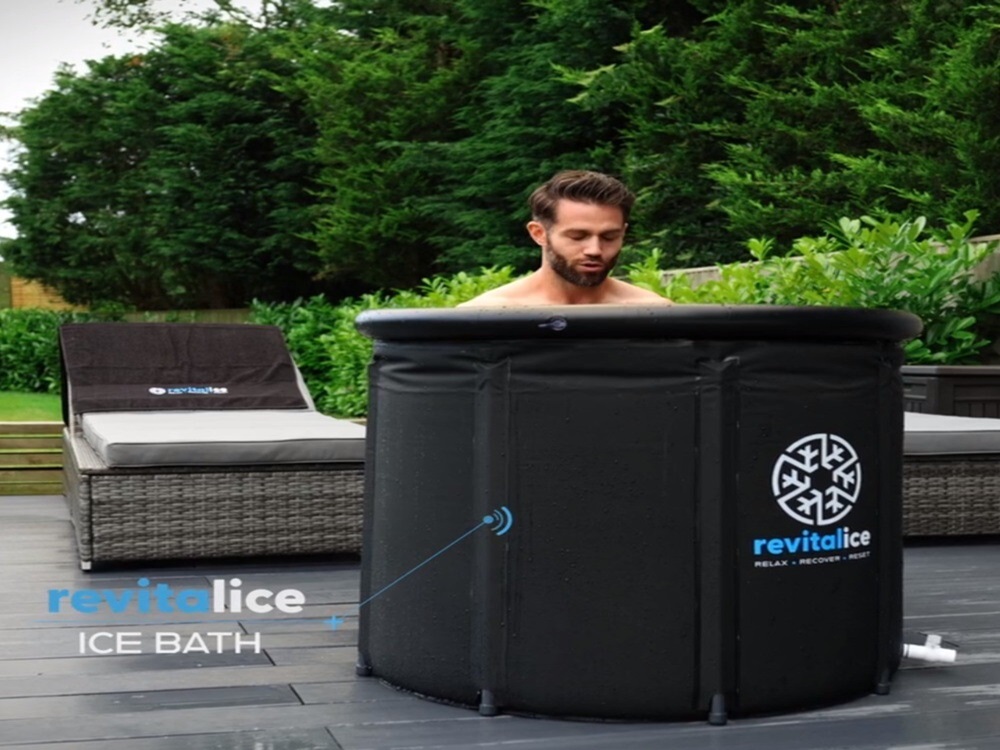













.jpg)
-(2)-(1).jpg)
.png)
.jpeg)









.jpg)
.jpg)

.jpg)





.jpg)

.jpeg)


-(2).png)
.jpg)



.jpeg)
.jpg)


.png)



.jpg)







.webp)





.jpg)



.png)



.jpg)


 News & Magazines
  Products
  Coupon & deals
  Support